
Traditional marine fabrication techniques form the foundation of modern ship building excellence. These proven methods combine decades of craftsmanship knowledge with engineering precision to create vessels that withstand harsh marine environments. Hike Metal Products has mastered these traditional approaches over 60 years of operation, building custom boats and ships that serve commercial, government, and private sectors worldwide. Marine fabrication requires specialized skills passed down through generations of master boat builders who understand the unique demands of the marine industry construction requirements.
History and Evolution of Marine Fabrication Methods
Marine fabrication techniques developed over centuries as shipbuilders learned to work with different materials and environmental challenges. Early boat building methods focused on wood construction using traditional joinery systems including carvel planking and plank-on-frame construction. These time-tested approaches created strong hulls using overlapping planks secured to internal frames. Strip planking emerged as another traditional technique, allowing builders to create smooth, strong hulls using narrow wood strips.
The introduction of steel in the mid-1800s revolutionized boat building, bringing new marine fabrication techniques that required specialized knowledge of metallurgy and welding. As the marine industry evolved, builders began incorporating modern materials like fiberglass construction and carbon fiber components while maintaining traditional structural principles.
Steel became the preferred material for commercial vessels due to its strength and durability. Traditional steel fabrication methods include hot rolling, cold forming, and precision cutting techniques that shape raw materials into hull sections. These processes require skilled craftsmen who understand how steel behaves under stress and environmental conditions.
Hike Metal Products maintains expertise in these traditional methods while incorporating modern quality standards. The company’s boat building approach combines time-tested fabrication techniques with contemporary engineering to produce vessels that exceed industry expectations. This blend of old and new ensures structural integrity while meeting current safety regulations.
Steel Fabrication Fundamentals
Steel fabrication remains central to commercial vessel construction. Traditional methods begin with material selection, where experienced fabricators choose steel grades based on intended use and environmental exposure. Marine-grade steel requires specific properties including corrosion resistance and structural strength.
Cutting operations use established techniques including plasma cutting, oxy-fuel cutting, and mechanical shearing. Each method serves specific purposes depending on steel thickness and precision requirements. Skilled operators select appropriate techniques based on material specifications and final component needs.
Forming processes shape steel components using traditional methods:
• Press brake forming creates precise angles and bends
• Roll forming produces curved sections for hull construction
• Hot forming allows complex shapes requiring heat application
• Cold forming maintains material properties while shaping components
These techniques require experienced operators who understand material limitations and proper forming sequences. Hike Metal Products employs master craftsmen trained in traditional forming methods, ensuring consistent quality across all vessel components.
Aluminum Marine Construction Techniques
Aluminum fabrication presents unique challenges requiring specialized traditional techniques. This lightweight material offers excellent corrosion resistance but demands different handling methods compared to steel. Traditional aluminum fabrication focuses on preventing contamination and managing thermal expansion during construction.
Modern boat building often incorporates composite materials alongside traditional aluminum and steel construction. Sheet metal provides an economical foundation for smaller vessels, while fiberglass cloth reinforcement adds strength to composite structures. These materials require specific metal fabrication techniques to ensure proper bonding and long-term durability against UV exposure.
Cutting aluminum requires specific techniques to prevent material distortion. Traditional methods include band sawing, circular sawing, and water jet cutting. Each approach offers advantages for different component types and thickness requirements. Proper cutting technique prevents work hardening that can compromise material properties.
Forming aluminum components uses traditional methods adapted for material characteristics. Aluminum’s tendency to work harden requires careful attention to forming sequences and tooling selection. Experienced fabricators understand these limitations and adjust techniques accordingly.
Hike Metal Products applies traditional aluminum fabrication methods developed over decades of boat building experience. The company’s approach ensures structural integrity while maintaining material properties essential for marine applications.
Welding and Joining Methods
Traditional welding techniques form the backbone of marine fabrication quality. These proven methods create strong, durable joints that withstand marine environmental stresses. Different welding processes serve specific applications based on material type, thickness, and structural requirements.
Steel welding employs several traditional techniques:
• Shielded Metal Arc Welding (SMAW) provides excellent penetration for thick sections
• Gas Metal Arc Welding (GMAW) offers consistent quality for production welding
• Flux Cored Arc Welding (FCAW) handles varying material conditions effectively
• Submerged Arc Welding (SAW) produces high-quality welds for heavy construction
Each technique requires specific operator skills and equipment setup. Traditional welding emphasizes proper preparation, technique selection, and quality verification throughout the process.
Aluminum welding demands specialized traditional approaches. Gas Tungsten Arc Welding (GTAW) provides precise control necessary for aluminum joints. This technique requires extensive operator training and proper equipment maintenance to achieve consistent results.
Quality Control and Inspection Processes
Traditional quality control methods ensure fabricated components meet boat building standards across the marine industry. These proven inspection techniques identify potential issues before they affect vessel performance or safety. Visual inspection remains the foundation of traditional quality control, requiring trained inspectors who recognize acceptable construction standards.
Modern boat building incorporates digital tools to enhance traditional inspection methods. Digital measuring devices and computerized documentation systems improve accuracy while maintaining proven inspection principles. These digital tools help identify problems in damaged boat repairs and new construction projects alike.
Non-destructive testing methods verify weld quality without damaging components. Traditional techniques include magnetic particle testing, dye penetrant inspection, and radiographic examination. These methods reveal internal defects that visual inspection cannot detect.
Dimensional verification uses traditional measurement techniques to ensure components meet engineering specifications. Skilled inspectors use precision instruments to verify critical dimensions throughout fabrication processes. This attention to detail prevents assembly issues and ensures proper vessel performance.
Hike Metal Products implements comprehensive quality control systems based on traditional inspection methods. The company’s boat building approach combines proven techniques with modern documentation requirements to meet classification society standards including American Bureau of Shipping (ABS) and Lloyd’s Registry (LR).
Modern Applications of Traditional Methods
Contemporary marine fabrication continues relying on traditional techniques while incorporating modern technology. Computer-aided design systems and digital tools help plan fabrication sequences, but skilled craftsmen execute the actual construction using time-tested boat building methods. This combination ensures both precision and quality in finished vessels.
Traditional layout methods remain essential for complex hull construction. Experienced craftsmen use geometric principles and measurement techniques developed over decades. Sheet plywood templates and carvel planking layouts require hands-on skills that cannot be replaced by technology and demand extensive training to master effectively.
Modern boat building projects often combine traditional construction with contemporary materials and components. A traditional dodger might incorporate marine fabrics designed for UV resistance while maintaining classic construction principles. Similarly, a traditional dodger installation requires understanding both historical techniques and modern fastening systems for optimal performance.
Hike Metal Products demonstrates how traditional fabrication techniques support modern vessel construction. The company builds custom patrol boats, fishing vessels, and research ships using proven boat building methods refined over generations. Projects like the Chicago Fire Department’s icebreaking fireboat showcase traditional steel fabrication techniques applied to contemporary design requirements. Each traditional dodger and marine hardware installation reflects decades of craftsmanship expertise.
Specialized Fabrication Applications
Traditional marine fabrication techniques adapt to specialized vessel requirements. Each application demands specific approaches based on operational needs and environmental conditions. Commercial fishing vessels require different fabrication considerations than patrol boats or research vessels.
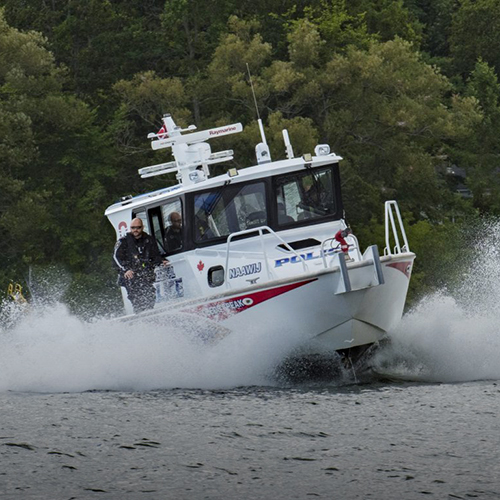
Government vessels often require specialized fabrication techniques to meet security and operational requirements. Hike Metal Products builds custom RCMP patrol boats and Canadian Coast Guard vessels using traditional methods adapted for law enforcement and rescue operations. These projects demonstrate how traditional techniques support specialized applications.
Research vessels present unique fabrication challenges requiring traditional methods combined with modern scientific equipment integration. Traditional fabrication provides the structural foundation while modern techniques accommodate complex systems installation.
Training and Skills Development
Traditional marine fabrication requires extensive training to develop necessary skills. Master craftsmen pass knowledge to new generations through hands-on instruction and mentorship programs. This knowledge transfer ensures traditional techniques continue supporting quality vessel construction.
Hike Metal Products maintains a team of experienced craftsmen who understand traditional fabrication methods. Many employees have worked with the company since its early years, creating a knowledge base that supports consistent quality across all projects. This continuity ensures traditional techniques remain effective for contemporary applications.
Partner With Marine Fabrication Experts
Traditional marine fabrication techniques continue providing the foundation for superior vessel construction across the marine industry. These proven boat building methods ensure structural integrity, operational reliability, and long-term durability essential for marine applications. Whether applying carvel planking principles to modern construction or integrating advanced materials with traditional frameworks, expert boat building knowledge remains crucial for project success. Hike Metal Products combines traditional fabrication expertise with modern engineering to deliver custom vessels that exceed client expectations through superior boat building practices.

Contact our experienced team to discuss how traditional marine fabrication techniques can support your next vessel project and discover why industry professionals trust our time-tested construction methods.