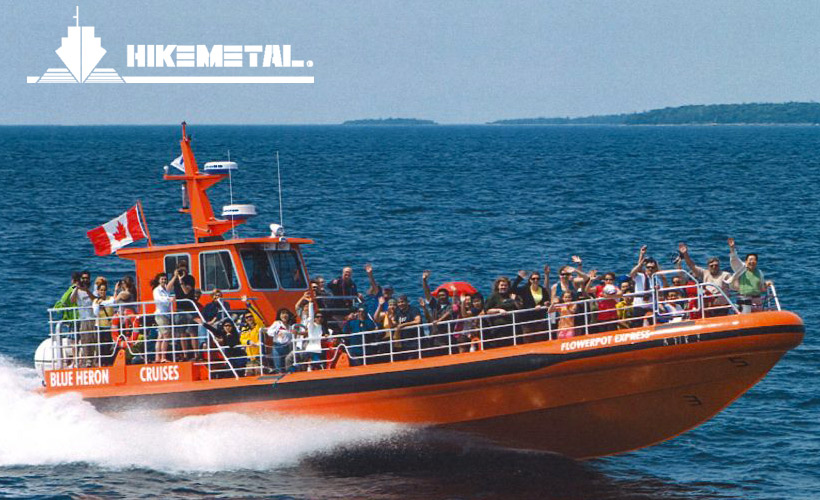
Tour vessel construction in Canada requires builders like Hike Metal who understand local waters and weather conditions. Canadian tour operators need boats that work well in the Great Lakes, ocean waters, and changing seasons. Hike Metal Products has built custom tour vessels since 1958, using proven methods to create strong, reliable tour boats for operators across Canada.
Why Canadian Tour Vessels Need Special Construction
Canada’s tour boat industry serves millions of passengers annually across diverse marine environments. From whale watching tours on the Pacific Coast to Great Lakes scenic cruises and Arctic expedition vessels, each vessel type requires specialized construction for specific conditions. The industry includes scenic tours, wildlife viewing, dinner cruises, and specialized excursions to remote locations.
Canadian waters present unique challenges for tour boat builders. Ice forms in many areas during winter months. Temperature changes are extreme between seasons. Weather can change quickly due to climate change effects, creating more unpredictable conditions. These factors require boats built with extra strength and smart design features that can handle harsh Canadian marine environments.
Tour operators must follow strict Canadian safety rules designed to protect passengers and crew. The Canadian Coast Guard enforces comprehensive regulations for passenger vessels. Transport Canada sets high standards for construction materials, safety equipment, and operational procedures. These rules protect passengers but require careful planning and expert knowledge during boat construction.

Understanding Canada’s Maritime Construction Landscape
The National Shipbuilding Strategy has transformed how Canada builds vessels for government and commercial use. This strategy supports companies like Seaspan Shipyards in building large naval vessels. However, smaller tour vessel construction remains vital for Canada’s tourism industry.
Different vessel types serve various tourism markets across Canada. The Canadian Coast Guard operates Search and Rescue vessels that sometimes assist tour boats in emergencies. The Small Vessel Regulations apply to many tour boats operating in Canadian waters.
Choosing Steel or Aluminum for Tour Boat Construction
Material selection significantly impacts tour vessel performance, maintenance costs, and operational lifespan. Steel construction creates very strong boats that work exceptionally well in rough water conditions. The weight of steel helps boats stay steady when waves get big, providing passengers with smoother, more comfortable rides. Steel boats can last many decades with proper maintenance and are easy to repair at most boat repair facilities across Canada.
Steel offers superior durability for operators who run tours in challenging conditions. Commercial fishing areas, coastal waters with heavy wave action, and routes through ice-prone regions benefit from steel construction’s strength and impact resistance.
Aluminum construction makes lighter boats that use less fuel and achieve higher speeds. This material choice saves money on operating costs over the vessel’s lifetime. Aluminum boats are easier to pull out of water for winter storage, an important consideration for seasonal Canadian operations. The lighter weight also allows for better performance in shallow water tourism areas.
Hike Metal Products often combines both materials in hybrid construction, building underwater sections with steel for maximum strength while using aluminum above the waterline to save weight and improve fuel efficiency.
How Tour Boat Construction Projects Start
Building a custom tour boat begins with understanding operator needs. Ship design starts with detailed discussions about planned operations. Key planning topics include:
- Number of passengers and crew members
- Types of tours and typical routes
- Local water conditions and weather
- Canadian Coast Guard safety requirements
- Passenger comfort features needed
The design team creates drawings and plans for the new boat. Computer programs test how the boat will perform in different conditions. Changes happen during planning to ensure the final boat works perfectly for its intended use.
Safety Features Every Tour Boat Needs
The Canadian Coast Guard inspects vessels regularly to ensure compliance. Tour boats must have systems that work even when problems occur.
All tour boats need these safety features:
- Watertight sections to prevent sinking
- Backup power for emergency equipment
- Fire fighting systems throughout the boat
- Life rafts and life jackets for everyone
- Radio equipment to communicate with Canadian Coast Guard
- Clear paths to emergency exits
Hike Metal Products ensures every tour boat meets Canadian Coast Guard standards through careful documentation and inspection processes.
Making Passengers Comfortable During Tours
Modern tour boats balance safety with passenger comfort. Climate-controlled areas protect passengers from Canadian weather extremes. Tour boats include washrooms, small kitchens, and weather-protected areas.
Interior design considers passenger movement and safety. Non-slip floors prevent falls. Strategic handrail placement provides support when boats move. Hike Metal Products works with tour operators to create layouts optimized for specific tour types.
Engines and Propulsion Systems
Engine choice affects tour boat performance and operating costs. Most tour boats use diesel engines for reliability and efficiency. Water jet systems work well in shallow water or areas with marine life, eliminating exposed propellers.
Hike Metal Products installs engines from trusted manufacturers, ensuring parts availability across Canada even when supply chain disruptions occur. Multiple engines provide backup power for safety.
Meeting Government Rules and Getting Permits
Canadian tour boats must meet Transport Canada rules for design, construction, and safety equipment. The Canadian Coast Guard works with Transport Canada to ensure vessel safety. The approval process includes:
- Design review by government officials
- Testing of materials and construction methods
- Inspections during boat construction
- Testing of all systems and equipment
- Final inspection and permit approval
Hike Metal Products handles all government paperwork and inspections, preventing delays and ensuring boats can start carrying passengers immediately.
Maintenance and Support Services
The Canadian Coast Guard requires regular inspections of commercial passenger vessels. Tour boats need ongoing maintenance to stay safe and reliable. Hike Metal Products offers complete support services including emergency repairs. Their facility includes a 100-ton lift that accommodates most tour boats.
Understanding Tour Boat Construction Costs
Tour boat construction costs depend on size, features, and complexity. Steel boats cost more initially but last longer with lower maintenance costs. Aluminum boats cost less to build and use less fuel.
The National Shipbuilding Strategy focuses on large vessels, but smaller tour boat construction remains important for regional economies. While companies like Seaspan Shipyards build major naval vessels, specialized builders like Hike Metal Products serve the tour boat market with financing options and flexible payment schedules.
Environmental Protection and New Technology
New tour boats include features that protect water quality and marine life. Modern engines produce fewer emissions and use less fuel. Waste systems prevent sewage discharge in sensitive areas.
Ship design now includes advanced computer modeling for accurate performance prediction. Digital navigation systems can communicate directly with Canadian Coast Guard rescue centers during emergencies. Unlike large shipyards such as Seaspan Shipyards that focus on military vessels, tour boat builders concentrate on passenger experience and environmental protection.
Start Your Tour Boat Project Today
Tour vessel construction in Canada requires experience with local conditions and government rules. Success depends on working with builders who understand Canadian tour operators’ needs. Hike Metal Products builds custom tour vessels that combine safety, performance, and passenger comfort using proven construction methods and complete support services.
Contact Hike Metal Products today to discuss your tour vessel construction project and learn how our shipbuilding experience can help your tourism business succeed.