Commercial fishing vessels are specialized fishing ships built to catch, process, and transport seafood on an industrial scale. These vessels operate across oceans, lakes, and rivers, using different fishing nets, traps, and line systems to harvest marine life. Fishing ships range from small inshore fishing boats to massive factory vessels that process entire catches at sea. Unlike recreational fishing vessels used for sport or hobby, commercial fishing ships serve the global food supply chain. This guide covers the main types of fishing ships, their construction, fishing techniques, safety standards, and what operators should consider when commissioning a new build. Hike Metal Products has built custom commercial fishing vessels since 1958 and remains a trusted name in the maritime industry.
What Is a Commercial Fishing Vessel?
A commercial fishing vessel is a mid- to large-size fishing boat designed to catch fish and seafood for wholesale distribution. These vessels operate far from shore in the open marine environment and withstand rough seas and severe weather. The Food and Agriculture Organization (FAO) classifies commercial vessels by the gear they carry and the method they use to harvest marine life. The FAO estimated the global fleet at approximately four million vessels in 2002, with an average size between 10 and 15 metres. Modern vessels carry advanced electronic equipment for navigation, fish detection, and communication. Recreational fishing vessels, by contrast, are smaller craft used by individuals for sport and do not operate at commercial scale.
Main Types of Commercial Fishing Ships
The FAO identifies eight general classifications of fishing ships by method. Each vessel type uses specific gear and methods suited to its target species and operating waters.
Trawlers
Trawlers are the most common fishing ships in commercial fleets worldwide. They tow large cone-shaped fishing nets through the water at various depths to catch bottom-dwelling or midwater species. Stern trawlers deploy nets from the back of the vessel and often feature ramps for large-scale hauling. Side trawlers use an older design that sets nets over the side. Outrigger trawlers extend booms to pull shrimp nets wide of the hull.
Midwater or pelagic trawls target species that swim between the surface and the seabed, such as herring and mackerel. Freezer or factory trawlers are large vessels equipped to process and freeze catches immediately on board. Wet-fish trawlers keep their catch fresh on ice and work closer to shore. Each subtype serves a different fishery based on target species and trip duration.
Seiners
Seiners use a large purse seine — one of the most effective fishing nets in commercial use — to encircle schools of fish near the surface. Once the net surrounds the school, the bottom draws closed like a bag to trap the catch. Some operations also use fish aggregating devices to attract target species before setting the net. Seiners produce high-volume catches in a single set and are common in tuna, herring, and sardine fisheries.
Longliners and Line Vessels
Longliners deploy miles of fishing line with thousands of baited hooks for deep-sea fishing of high-value species. Common targets include tuna, swordfish, halibut, and cod. A trot line is a simpler variation that uses a shorter mainline with spaced hooks or drop lines, often set near the bottom. Longline methods produce minimal damage to individual fish, which preserves quality and market value.
Gillnetters
Gillnetters deploy vertical panels of fishing nets suspended in the water column. Fish swim into the mesh and become caught by their gills. Gillnets can stretch for a kilometre or more and work across a wide range of species and ocean conditions. Many gillnetters fish at night when target species move into shallower water. These fishing boats range from small coastal craft to larger offshore vessels.
Dredgers
Dredgers harvest shellfish from the seabed using heavy, cage-like metal frames. Common targets include clams, scallops, and oysters. These vessels need strong hulls and powerful winches to handle loaded dredge gear. Dredging requires specialized vessel construction to manage the mechanical stress of continuous bottom contact.
Trap and Pot Vessels
Trap and pot fishing ships set, soak, and retrieve baited fish traps and pots from the seabed. Lobster boats use hydraulic haulers to pull loaded pots, while crab traps target species like king crab and Dungeness crab. These vessels and crab boats carry large numbers of traps on deck and need stable hull designs to handle the shifting weight. Trap-based harvesting methods are selective and help protect ocean species by reducing bycatch compared to net-based systems.
How Fishing Ships Are Classified
The fishing industry classifies fishing boats by several technical criteria beyond vessel type:
- Gear and method — towed gear such as trawls and dredges, encircling gear such as purse seines, or static gear such as gill nets, traps, and pots
- Processing capability — wet-fish vessels keep catches on ice, while freezer vessels process and freeze at sea
- Operating range — inshore fishing boats work near the coast, while offshore vessels operate far from port
- Target species — shrimp trawlers, tuna seiners, lobster boats, and crab vessels each need different hull forms and deck layouts
These factors determine a vessel’s size, engine power, deck configuration, and onboard equipment.
Construction Materials and Vessel Engineering
The choice of material affects a fishing ship’s durability, weight, maintenance needs, and working lifespan. A marine engineer applies material science and hydrodynamic knowledge to select the right construction approach for each vessel’s operating marine environment.
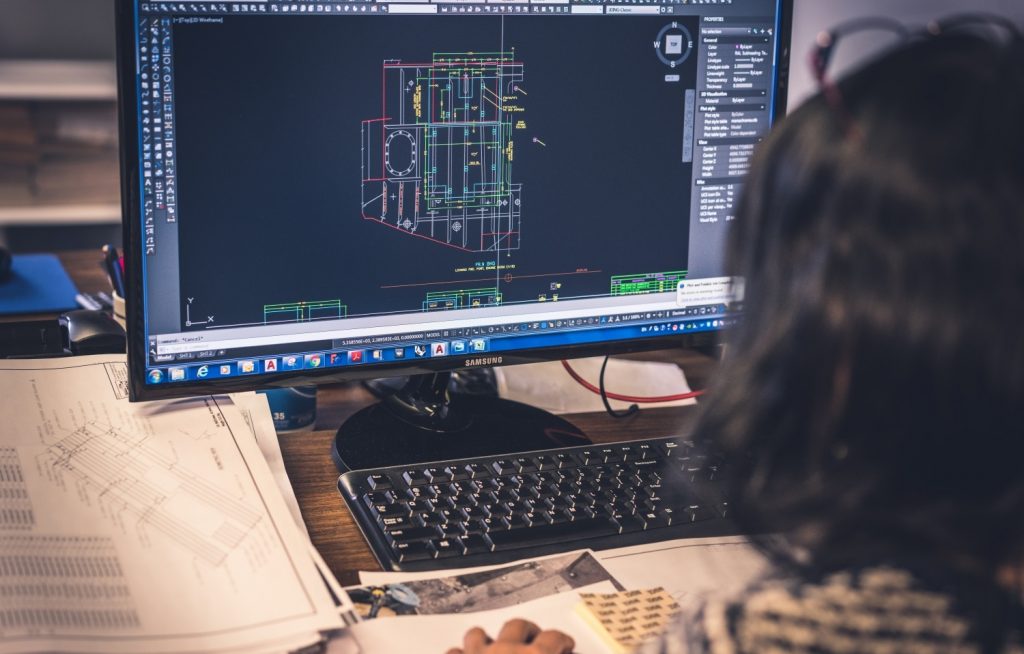
Steel delivers superior strength and impact resistance. A well-maintained steel fishing boat can remain in active service for 50 years or more. Steel hulls absorb heavy contact from ice, debris, and rough docking without serious damage. Steel also provides stability in heavy seas due to its weight, which reduces hull vibration in the ocean environment.
Aluminum offers a high strength-to-weight ratio that improves fuel efficiency and speed. Aluminum resists saltwater corrosion and requires less structural maintenance than steel. Hybrid construction combines a steel hull with an aluminum superstructure, delivering strength below the waterline and weight savings above. Hike Metal Products builds fishing ships in steel, aluminum, and hybrid configurations to match each operator’s operational requirements and mission profile.
Safety, Regulatory Compliance, and Sustainable Fishing
Commercial fishing remains one of the most hazardous occupations worldwide. Strict regulatory compliance standards govern vessel stability, construction, safety equipment, and crew training. In Canada, Transport Canada enforces requirements for all commercial fishing ships, including stability assessments, watertight compartments, fire barriers, and regular hull inspections. The American Bureau of Shipping (ABS) and Lloyd’s Register (LR) provide additional classification standards.
Sustainable fishing practices also shape modern vessel design and operations. Selective fishing techniques, gear modifications, and bycatch reduction devices help protect fish populations and the broader marine environment. Sustainable development goals in the fishing sector push operators toward vessels and methods that balance harvest volume with long-term ocean health. Marine insight into these evolving standards helps fleet operators stay compliant while supporting responsible resource management.
Build the Right Fishing Vessel for Your Operation
Choosing or commissioning fishing ships requires careful evaluation of your target fishery, operating waters, crew size, trip duration, and processing needs. The vessel must match your specific harvest methods while meeting all safety and environmental standards for your region.
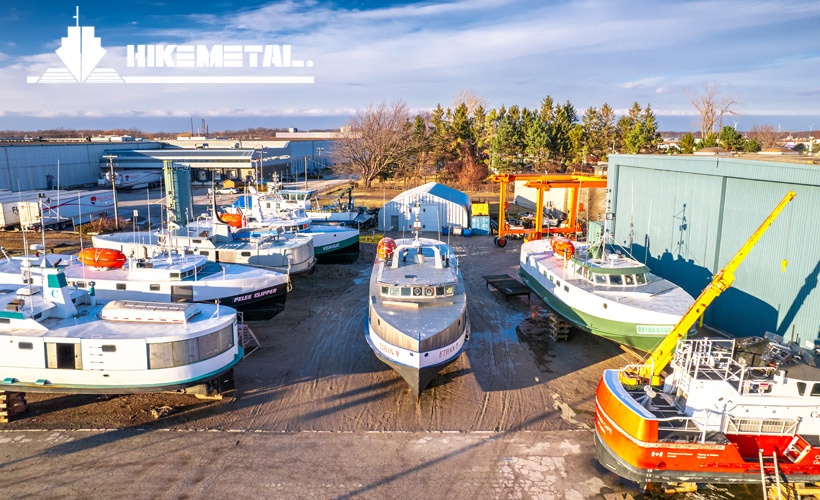
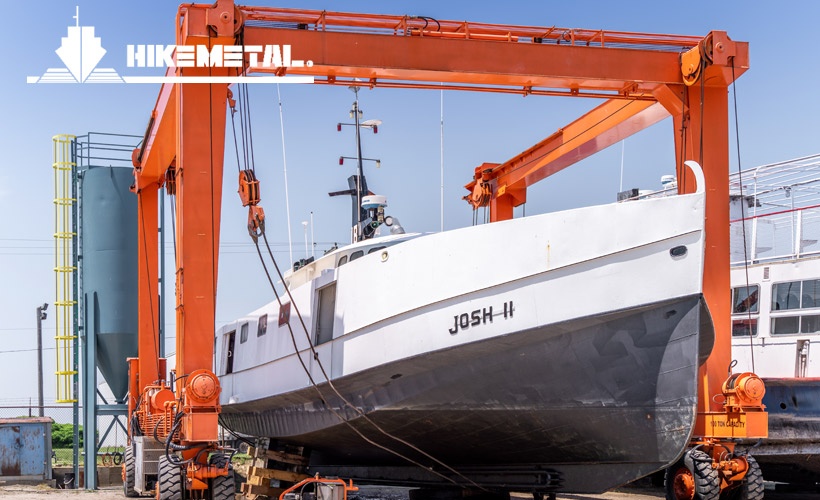
Hike Metal Products has served the commercial fishing industry since 1958, starting with local fishing fleets on the Great Lakes and expanding to deliver custom fishing boats worldwide. Their waterfront facility in Wheatley, Ontario features a 100-ton travel lift, climate-controlled build halls for vessels up to 100 feet, and a full in-house team covering hydraulics, electronics, metal fabrication, and machinery. Contact Hike Metal Products at 519-825-4691 or sales@hikemetal.com to discuss your next commercial fishing vessel project.